
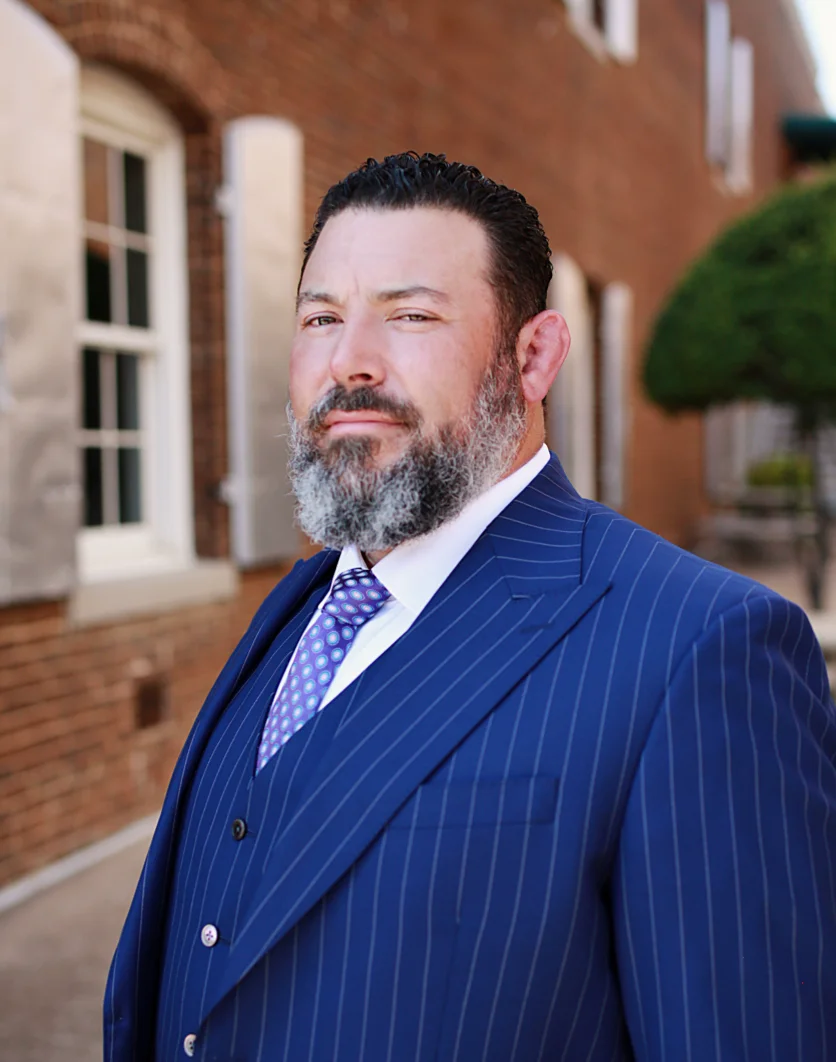
Attorney
- Stay calm, be respectful, and clearly invoke your right to remain silent.
- Ask for a lawyer and decline to answer questions until you have legal guidance.
- Do not consent to searches or give police access to your phone, car, or messages.
- Contact a Fort Worth criminal defense attorney such as Daniel Collins Law before speaking with investigators.
If police want to question you about a crime in Texas, how you respond can shape the entire case. You are not required to answer questions, and speaking without legal guidance can unintentionally create evidence against you. In Fort Worth, many cases escalate because people try to “clear things up” rather than protect their rights from the start.
What Does a Police Request Really Mean?
When police ask to speak with you, it does not mean they just want your help. It often means:
- You are a suspect, or
- They believe you have information that could support charges, or
- They are testing your story against other evidence
Officers may say you’re “not in trouble” or that it’s “just a few questions.” These statements are common and do not limit how your words can be used later.
You Are Not Required to Answer Questions
You have the right to remain silent. This applies whether police:
- Call you on the phone
- Knock on your door
- Ask to speak “off the record”
- Invite you to the station for an interview
You do not have to explain yourself to avoid arrest. Silence cannot legally be used as evidence of guilt. A clear, respectful response is “I choose not to answer questions and would like to speak with an attorney.”
Do Not Go to the Police Station Without Legal Guidance
Going to the station voluntarily is risky. Even if you arrive freely, the conversation can quickly shift into an interrogation.
Once inside:
- Statements are recorded
- Officers may confront you with partial evidence
- You may feel pressure to explain inconsistencies
- The interaction may become custodial
At that point, anything you say can be used against you — even if no charges are filed that day.
Police Can Use Your Words Even If You’re Not Arrested
Many people assume statements only matter if they are arrested. That’s not true.
Statements given during questioning can be used to:
- Establish probable cause
- Justify a future arrest
- Support search warrants
- Influence charging decisions
- Undermine later defenses
In some cases, statements made during questioning become the strongest evidence in the file.
Example #1: “I Was Just There” Statements
Suppose police ask about your presence near an alleged crime scene and you say, “I was there earlier, but nothing happened while I was around.”
That statement may later be used to:
- Place you at the scene
- Contradict other evidence
- Narrow timelines
- Undermine an alibi
Even seemingly harmless explanations can create problems later.
Example #2: Trying to Correct Police Assumptions
Officers may present incorrect information to see how you respond. For example:
“We know you were involved. We just need your side.”
Trying to correct details or explain context can lead to:
- Inadvertent admissions
- Inconsistent statements
- Statements that appear defensive
Silence prevents misunderstandings from becoming evidence.
Do Not Consent to Searches or Provide Access
Questioning often leads to requests such as:
- “Can we look at your phone?”
- “Mind if we search your car?”
- “Can you show us messages?”
You have the right to refuse consent. If police have legal authority, they will proceed without your permission. Consenting only expands what they can use against you.
What You Should Do Instead
If police want to question you about a crime in Fort Worth:
- Stay calm and respectful–Hostility creates problems. Firm silence does not.
- Clearlyinvoke your rights–Ask for a lawyer and decline questions.
- Do not guess or speculate–Uncertainty becomes inconsistency.
- Avoid digital communication–Texts, messages, and calls can be misinterpreted or recorded.
- Contact a criminal defense lawyer early–Early guidance prevents mistakes that cannot be undone.
Talk to a Fort Worth Defense Attorney Before You Talk to the Police
Police questioning is not about fairness — it’s about building a case. Once statements are made, they cannot be taken back. A criminal defense attorney can;
- Control the flow of information
- Prevent self-incrimination
- Evaluate what the police may already know
- Decide if and when communication is appropriate
If police want to question you about a crime in Fort Worth, contact Daniel Collins Law before answering questions or meeting with investigators.
People Also Ask
Can police question me if I’m not under arrest?
Yes, but you are not required to answer. You can leave or decline to speak unless you are detained or arrested.
Should I answer questions to avoid arrest?
No. Answering questions often increases risk rather than reducing it.
What if police say they already have evidence?
That is often an interrogation tactic. You should still remain silent and speak with a lawyer.